
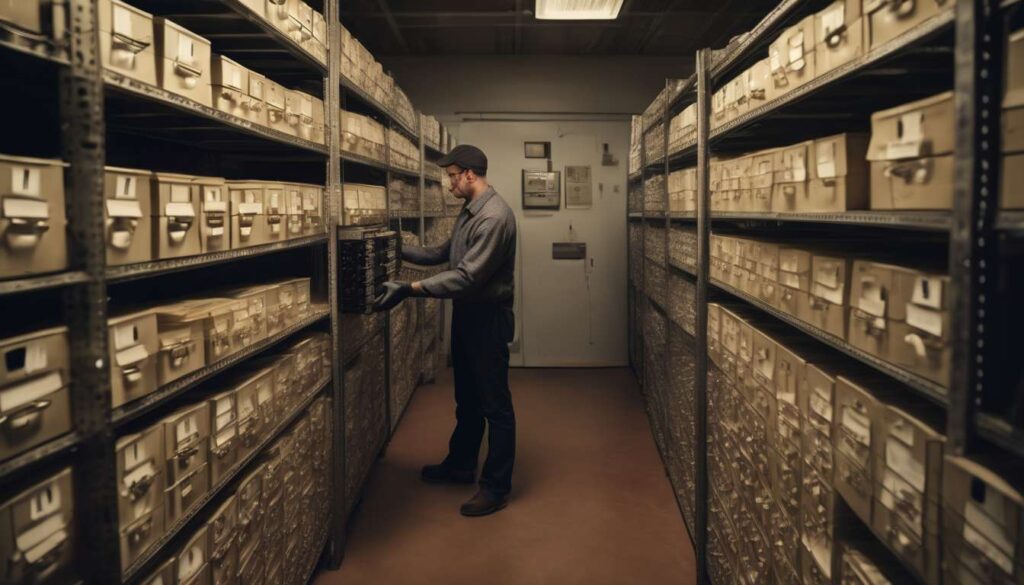
Last month’s passing of several legacy adult media labels and the invisible rush to digitize their catalogs compelled us to rethink how industry records will survive the next decades.
As platforms consolidate and regulations shift across jurisdictions, we are witnessing an unprecedented movement:
- archivists, rights holders, and technologists are collaborating to build long-term archives that preserve not just videos, but contracts, performer histories, marketing materials, and metadata.
We see trends toward:
- decentralized storage,
- standardized metadata schemas, and
- ethical access frameworks that aim to balance historical preservation with privacy and consent.
While commercial imperatives once prioritized immediate monetization, current events push us toward stewardship models that acknowledge cultural value and legal complexity.
We believe these archives will redefine accountability, scholarship, and legacy within adult media, offering researchers and communities a responsible way to study the industry’s evolution without erasing the people who made it.
Our task is to map the technical, legal, and ethical pathways forward.
Historical Value
We recognize that adult media records hold historical value because they document cultural attitudes, legal battles, and technological shifts that shaped society.
We see archival preservation as a shared responsibility: by caring for these collections, we honor creators, performers, and audiences whose stories belong in the public memory.
We’ll center consent management so that preserved materials respect individuals’ rights and the community’s trust. Clear policies help us include records ethically and transparently.
We’ll apply robust metadata standards so each item is discoverable, contextualized, and connected to related materials. Consistent metadata makes the archive usable for researchers, educators, and community members seeking understanding rather than sensationalism.
We want everyone who contributes or accesses these archives to feel acknowledged and protected. We’ll maintain practices that balance access with dignity.
By combining rigorous preservation workflows, ethical consent practices, and standardized descriptive data, we create a space where this often-marginalized material is treated with the seriousness and belonging it deserves.
Legal Considerations
We will ensure our legal framework addresses copyright, obscenity laws, privacy rights, and recordkeeping obligations so the archive operates lawfully and respectfully.
We recognize our shared responsibility to balance access and protection.
- Archival preservation requires careful documentation of provenance and rights status.
- We commit to maintaining clear metadata standards to support transparency and accountability.
We will implement consent management processes that record performer permissions, withdrawal requests, and license terms.
- These processes ensure contributors feel seen and secure within our community.
- Consent records will be attached at the item level in metadata to reflect permissions and restrictions.
We will not leave legal interpretation to chance; we will consult counsel.
- Legal review will align retention schedules with recordkeeping obligations and local obscenity statutes while minimizing risk.
- Counsel will help ensure that policies are defensible and up to date with jurisdictional differences.
We will adopt contracts and release forms that reflect current legal norms and embed metadata standards that document consent and restrictions at the item level.
- Standardized releases and clear licensing options reduce ambiguity for contributors and users.
- Embedded metadata will record provenance, rights, consent status, and any applicable use restrictions.
By doing this together, we create a compliant, inclusive archive that protects participants, respects creators, and preserves material responsibly for future researchers and community members.
Ethical Access Controls
We will limit access through tiered, documented controls that balance researchers’ needs with participants’ safety, privacy, and dignity.
Key access controls:
- Role-based permissions — define who can view, search, or retrieve materials based on role.
- Vetted researcher agreements — require documented commitments to ethical use and confidentiality.
- Time-limited credentials — grant access for defined periods to reduce long-term exposure.
Purpose: protect contributors and staff while enabling legitimate research.
We enforce archival preservation practices that prevent misuse while keeping usable records for legitimate study.
Preservation measures:
- Provenance trails — record history of items and actions taken on them.
- Secure storage — apply physical and digital protections appropriate to sensitivity.
- Retention policies — maintain records in ways that balance usability with risk mitigation.
We integrate consent management into access workflows so documented participant preferences guide access to sensitive materials.
Consent workflow features:
- Embedded consent metadata — tie preferences to items used by access systems.
- Automated updates — when consent changes, access rights update promptly.
- Transparent notifications — inform relevant parties of changes to access status.
We provide channels for questions, restrictions, and appeals so community members can engage with decisions affecting them.
Community safeguards:
- Request and restriction processes — clear ways for individuals to request limits on access or corrections.
- Auditing mechanisms — logs and reviews that show who accessed what and why.
- Appeal procedures — structured paths for contesting decisions and participating in policy shaping.
We adopt interoperable metadata standards to support precise discovery controls and accountable stewardship.
Metadata benefits:
- Enables fine-grained access rules tied to item attributes.
- Supports interoperability across systems while preserving policy enforcement.
- Improves accountability through consistent, machine-readable records.
Together, these measures create a respectful, welcoming archive that balances research value with individual rights.
Metadata Standards
We’ll adopt interoperable, machine-readable metadata schemas that let us enforce fine-grained access rules, track provenance, and honor participant consent across systems.
We’ll keep metadata standards focused, consistent, and inclusive so every team member and collaborator feels part of the stewardship process.
Our schemas will record the following key attributes:
- rights
- consent management decisions
- creator and performer provenance
- redaction status
- sensitivity levels tied to archival preservation policies
We’ll map existing taxonomies to common standards (Dublin Core, PREMIS, schema.org extensions) and define controlled vocabularies for content type, consent scope, and retention triggers.
We’ll automate validation and provide onboarding so contributors can add accurate metadata without friction.
- Automate validation to prevent loose or ambiguous records.
- Provide clear onboarding guides and examples.
We’ll version metadata records and log changes to support audits and restorative actions.
By treating metadata as first-class data we’ll strengthen access controls, make consent durable across systems, and ensure archival preservation practices remain transparent, equitable, and resilient for our whole community.
Storage and Redundancy
We store master files and encrypted backups across geographically distributed, redundant systems to guarantee long-term availability and rapid recovery.
We design replication tiers and periodic integrity checks so our community can trust that archived material remains intact and accessible.
We pair archival preservation best practices with rigorous metadata standards so every asset is discoverable and context-rich.
We implement automated versioning, checksums, and air-gapped copies to protect against accidental loss, corruption, and ransomware.
We integrate consent management metadata at the storage layer — linking consent records to file identifiers without exposing sensitive details — so access controls honor permissions over time.
We use standardized APIs and interoperable formats to make migration straightforward as technology evolves, keeping our shared history usable for future stewards.
We schedule regular restoration drills and document recovery playbooks, inviting team members to participate and learn.
By combining redundancy, proactive verification, and clear metadata practices, we create a resilient archive that belongs to us all and supports responsible stewardship of adult media records.
Consent and Performer Rights
We ensure performers’ rights and informed consent are documented, linked to each asset, and enforced throughout an item’s lifecycle.
Consent management is foundational to archival preservation.
- Every contract, release form, and revocation request is captured.
- Each record is time-stamped.
- Records are associated with the specific media via persistent identifiers.
We prioritize transparency and clear provenance.
- Contributors are kept informed so they feel secure and included.
- Provenance trails show who agreed to what, when, and under which terms.
We apply rigorous metadata standards to record consent details.
- Consent scope
- Expiration
- Territorial limits
- Permitted uses
Automated checks and access controls enforce consent terms.
- Metadata-driven checks run before access or reproduction.
- Role-based controls limit who can access or modify assets.
- Audit logs record changes so the community can trust that rights are respected.
We have workflows for withdrawals and changing conditions.
- When performers withdraw consent or conditions change, access can be restricted.
- Rights issues are flagged.
- Stakeholders are notified promptly.
By embedding consent management into archival preservation practices, we support collective stewardship that honors performers and strengthens our shared archive.
Funding and Governance
We must secure sustainable funding and clear governance structures to ensure the archive can responsibly steward adult media over the long term.
Funding model
- We’ll build a mixed funding model — grants, membership contributions, institutional partnerships, and modest service fees — so no single source can dictate policy.
- This diversity of revenue will protect editorial and operational independence and enable long-term planning.
Governance structure
- We’ll create a representative governance board with performers, producers, archivists, and community members to reflect our shared values and ensure accountability.
- The board’s roles, decision-making procedures, and conflict-of-interest policies will be documented and publicly available.
We’ll write transparent policies for archival preservation that prioritize integrity, access controls, and clear retention schedules.
Preservation and access policies
- Establish preservation practices that protect media integrity (checksums, redundant storage, format migration).
- Define access controls that balance discoverability with privacy and consent requirements.
- Set clear retention schedules and criteria for deaccessioning or restricted storage.
Our consent management framework will document permissions, restrictions, and revocations, and it’ll be auditable so contributors feel seen and protected.
Consent and provenance
- Record granular permissions and any restrictions (territory, duration, audience).
- Implement mechanisms for contributors to revoke or modify permissions where feasible.
- Ensure all consent and provenance data are auditable and linked to metadata for accountability.
We’ll adopt and enforce interoperable metadata standards to enable discovery, provenance tracking, and responsible access across systems.
Metadata and interoperability
- Use open, interoperable metadata schemas to support discovery and provenance tracking.
- Maintain consistent controlled vocabularies and identifiers to enable cross-system integration and responsible sharing.
We’ll publish regular financial and governance reports, invite community review, and maintain channels for feedback.
Transparency and community engagement
- Publish periodic financial statements and governance reports to demonstrate stewardship.
- Invite community review and provide accessible channels for feedback and complaints.
- Embed inclusive decision-making practices and ongoing community consultation.
By embedding inclusive decision-making and robust technical practices, we’ll sustain the archive’s mission and keep everyone connected to a trusted, enduring resource.
Research and Education
We will support and promote rigorous research and accessible educational programs that help scholars, creators, and the public responsibly study and teach about adult media.
We will build curricula and workshops grounded in ethical frameworks that center dignity, inclusion, and accountability.
Our programs will teach archival preservation techniques alongside consent management practices so research respects performers and communities.
We will offer practical training on metadata standards to ensure descriptive accuracy, discoverability, and interoperability across institutions.
We will partner with universities, community organizations, and industry to create fellowships and open resources that welcome diverse perspectives and lived experience.
We will create safe, moderated spaces for scholarly exchange, peer review, and public-facing exhibitions that demystify adult media’s cultural and historical significance.
We will measure impact through transparent evaluation and adapt materials based on community feedback.
By integrating technical skills, ethical guidance, and community-led input, we will make research and education sustainable, accountable, and welcoming.
Goals and actions include:
-
- Develop ethics-centered curricula and workshops.
-
- Teach archival preservation and consent management practices.
-
- Provide metadata training for accuracy and interoperability.
-
- Establish fellowships and open resources with partner organizations.
-
- Host moderated scholarly exchanges and public exhibitions.
-
- Implement transparent evaluation and continuous improvement.
Outcome: everyone with a stake in these records can contribute to and benefit from a professionally maintained archival future.
How do archives handle the potential for their collections to be used for illicit or exploitative activities beyond typical access controls?
We recognize the risk that collections could be misused.
We proactively assess materials, flag sensitive items, and limit access beyond standard controls.
Access controls and monitoring:
- We require researcher credentials.
- We enforce strict terms of use.
- We monitor requests.
- We use technology to track downloads.
Governance and oversight:
- We collaborate with legal counsel and community stakeholders.
- We train staff to spot red flags.
- We suspend access when needed.
We balance openness with our duty to prevent exploitation.
What measures are taken to protect staff and volunteers who work with sensitive adult material from harassment or doxxing?
We protect staff and volunteers who work with sensitive adult material from harassment and doxxing by implementing clear privacy and confidentiality measures.
- Clear privacy policies that explain how personal data is collected, used, stored, and removed.
- Anonymized bylines so individuals do not have their real names publicly attached to sensitive work.
- Strict confidentiality agreements for staff, volunteers, and contractors.
- Limiting public exposure of roles (e.g., using generic role titles or communications channels that hide individual identities).
We provide training and support to reduce risk and help people respond effectively if incidents occur.
- Digital security training (password hygiene, two-factor authentication, phishing awareness, secure device use).
- Harassment response training (how to document incidents, escalation paths, safe communication practices).
- Mental-health support (access to counseling, peer support groups, time-off policies after traumatic incidents).
We coordinate with external partners and maintain reporting channels to address serious threats.
- Coordination with legal counsel to understand obligations and pursue protections (cease-and-desist, restraining orders, defamation counsel).
- Coordination with law enforcement when threats or doxxing constitute criminal activity.
- Formal reporting channels so staff and volunteers can report threats confidentially and quickly.
We cultivate a supportive community culture that helps prevent and respond to abuse.
- Active community norms that discourage targeting and harassment.
- Encouraging bystander reporting so peers look out for one another and escalate concerns.
- Regular review of policies, training, and incident response processes to adapt to new threats.
Are there special procedures for preserving non-digital artifacts like props, costumes, or printed promotional materials that may degrade differently than film or digital files?
We’ll treat non-digital artifacts with tailored care.
- Assess materials to determine composition, deterioration, and appropriate treatment.
- Stabilize items as needed to prevent further damage.
- Create climate-controlled storage tailored to specific material needs (temperature, relative humidity, light levels).
We’ll clean and document items before storage or display.
- Use appropriate, conservation-safe cleaning methods.
- Record condition, treatment, and provenance in documentation systems.
- Use acid-free mounts and padded supports to minimize stress on objects.
We’ll isolate fragile textiles and plastics to limit off-gassing.
- Store vulnerable items separately or in inert enclosures.
- Monitor and mitigate sources of chemical degradation.
We’ll provide access while protecting sensitive materials.
- Digitize printed materials for research and public access.
- Rotate sensitive items on display to reduce light and environmental exposure.
- Use low-impact handling and exhibit techniques.
We’ll develop conservation plans with specialists.
- Engage conservators for complex treatments and preventive-care strategies.
- Create long-term preservation plans, including monitoring and periodic reassessment.
We’re committed to preserving these objects while ensuring they remain accessible and respected by our community.
Conclusion
Preserving adult media company records serves both history and accountability. It documents cultural shifts, protects performer rights, and supports research while meeting legal and ethical standards.
Apply robust metadata, consent safeguards, and secure, redundant storage to balance access with privacy.
Ensure sustainable funding and clear governance so archives remain viable and let educators and scholars responsibly study the material without compromising performers’ dignity or legal protections.
Thoughtful stewardship makes these records valuable.